
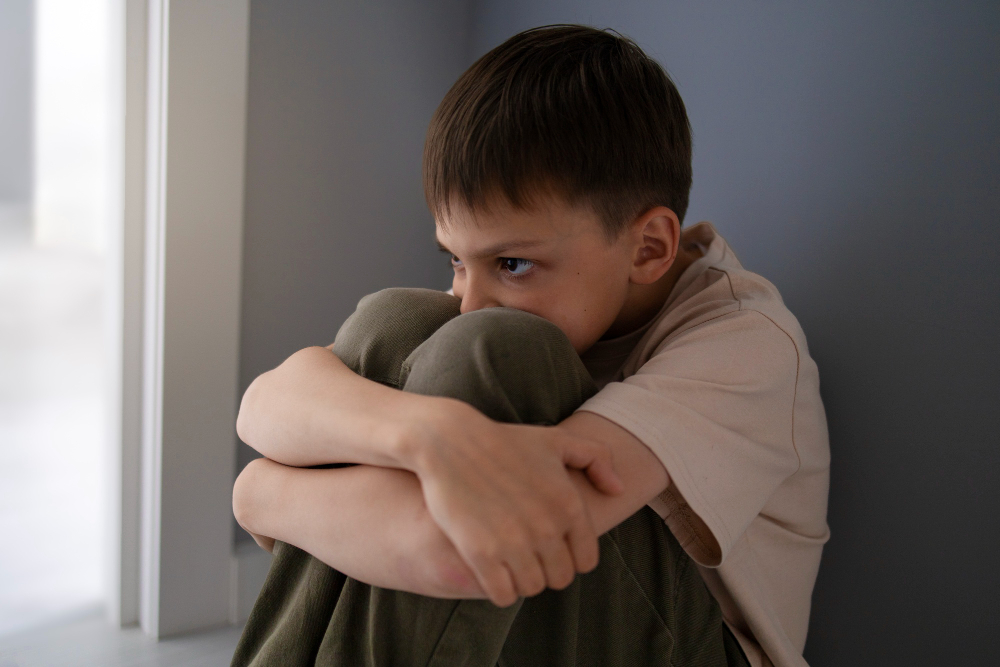
What Is Childhood Trauma?
Childhood trauma happens when a child faces scary or harmful events. These events can be physical, emotional, or both. Healing childhood trauma is important because it affects a child’s mind and body. According to the CDC, trauma can come from abuse, neglect, or witnessing violence. Even though some children recover quickly, others may need extra help.
Common Symptoms and Signs
Children show trauma in many ways. Sometimes, the signs are easy to miss. However, knowing what to look for can help families act early. Common symptoms include:
For example, a child may become quiet or fearful after a stressful event. On the other hand, some children may act out or break rules.
Causes and Risk Factors
There are many causes of childhood trauma. Some children experience trauma from a single event, while others face ongoing stress. Common causes include:
Additionally, children with fewer support systems are at higher risk. Family history of mental health issues can also increase the chance of trauma.
The Impact of Childhood Trauma on Emotional and Behavioral Health
Childhood trauma can affect a child’s feelings and actions for years. For instance, children may feel sad, anxious, or scared. They might struggle to trust others. Over time, trauma can lead to problems like depression or anxiety. According to the WHO, early trauma can also affect learning and relationships. Therefore, it is important to address trauma early to support emotional health after childhood trauma.
How Personalised Care Approaches Work
Personalised care for trauma recovery means creating a plan that fits each child’s needs. Every child is different, so their care should be too. For example, some children may need talk therapy, while others benefit from play or art therapy. Mental health specialists often work with families to set goals and track progress. In addition, personalised care may include support at school or in the community.
Benefits of Personalised Care in Healing Childhood Trauma
Personalised care offers many benefits for children healing from trauma. Some key advantages include:
Moreover, children feel safer and more understood when care is tailored to them. This approach helps build trust and confidence.
Practical Tips for Families and Caregivers
Families play a big role in healing childhood trauma. Here are some helpful tips:
Above all, show your child love and support every day. Even small steps can make a big difference.
Prevention and Early Intervention Strategies
Preventing trauma is not always possible, but early action can help. For example, teaching children about safety and feelings can lower risk. Schools and communities can also offer support programs. If trauma does happen, early intervention is key. The CDC recommends seeking help as soon as signs appear. This can stop problems from getting worse and support behavioral health support for children.
Conclusion
Healing childhood trauma takes time and care. Personalised care for trauma recovery can improve emotional and behavioral health. If you notice signs of trauma in a child, do not wait. Consult Dr Sivabalan Elangovan for personalized guidance on healing childhood trauma.