
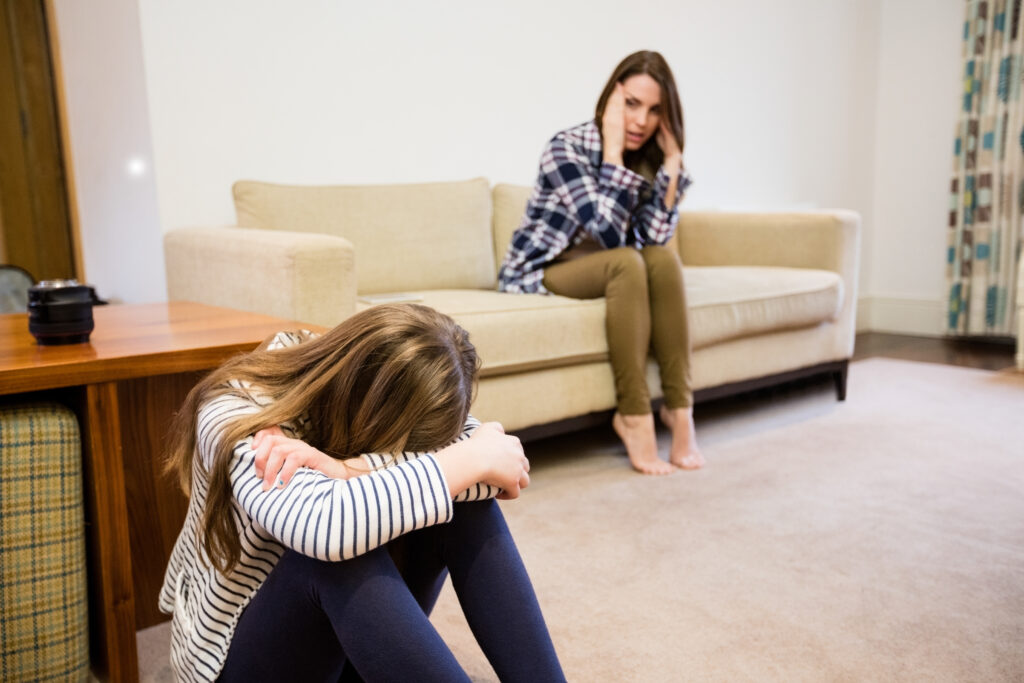
What Is Anxiety? (Definition and Overview)
Anxiety in children and adults is a common mental health concern. It means feeling worried, nervous, or afraid, even when there is no clear reason. While everyone feels anxious sometimes, ongoing anxiety can affect daily life. According to the World Health Organization (WHO), anxiety disorders are among the most common mental health conditions worldwide. Because anxiety can look different in each person, it is important to understand the signs and ways to cope.
Symptoms of Anxiety in Children and Adults
Although anxiety affects people of all ages, symptoms may vary. For example, children and adults can show different signs. Recognizing these symptoms early can help with coping and treatment.
Sometimes, anxiety can cause headaches or make it hard to relax. If these symptoms last for weeks, it may be time to seek help.
Common Causes and Risk Factors
Many things can cause anxiety in children and adults. For instance, stressful life events, family history, or health problems can play a role. In addition, certain personality traits may increase the risk. Here are some common causes and risk factors:
Because everyone is different, not all people with these risk factors will develop anxiety. However, knowing these causes can help with prevention and early support.
How Anxiety Is Diagnosed
Doctors and mental health specialists use simple questions and checklists to diagnose anxiety. First, they ask about symptoms, how long they last, and how they affect daily life. Sometimes, they may do a physical exam to rule out other health problems. For children, teachers or parents may share their observations. Early diagnosis helps with coping and finding the right treatment.
Effective Coping Strategies and Treatments
There are many ways to cope with anxiety in children and adults. For example, talking to a counselor or therapist can help. In some cases, doctors may suggest medicine. However, not everyone needs medication. Here are some common treatments and coping strategies:
Because each person is unique, treatment plans may differ. It is important to follow your doctor’s advice and ask questions about your options.
Lifestyle Tips for Managing Anxiety
Simple changes at home can help with managing anxiety. For instance, healthy habits can make a big difference. Try these tips:
Because support is important, reach out to local resources in your area if you need extra help. Managing anxiety at home is possible with small, steady steps.
Prevention and When to Seek Help
Although not all anxiety can be prevented, early support can lower the risk. For example, teaching children healthy coping skills and encouraging open talks about feelings can help. Adults can also benefit from stress management and self-care. However, if anxiety keeps you or your child from enjoying daily life, it is time to seek help. Signs you should contact a mental health specialist include:
Remember, help is available. Early treatment can make a big difference.
Consult Dr. Sivabalan Elangovan for personalized advice on managing anxiety.