What Are Panic Attacks?
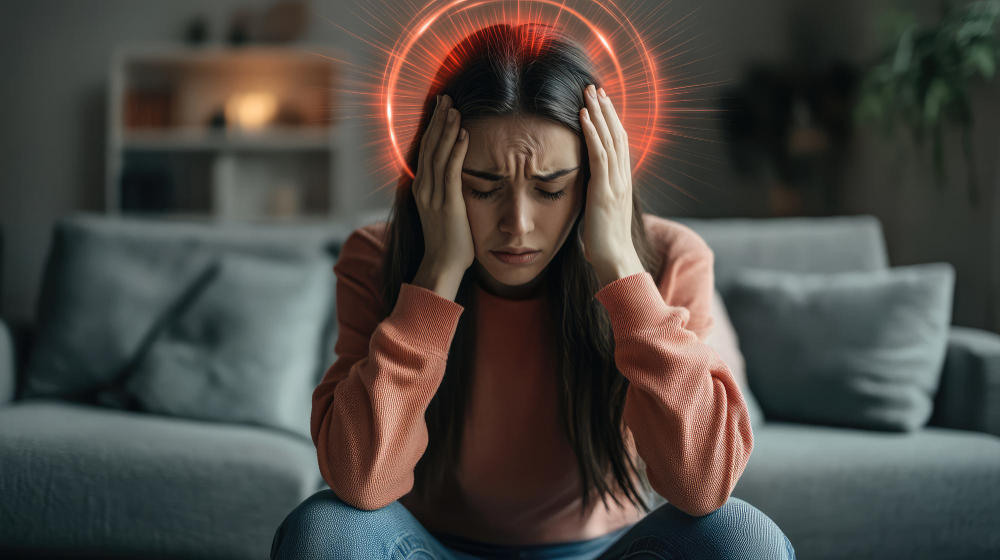
Panic attacks are sudden episodes of intense fear or discomfort. They can happen without warning. During a panic attack, people often feel like something terrible is about to happen. For many, panic attacks are scary and confusing. According to the CDC, panic attacks can affect anyone, no matter their age or background. While some people may only have one or two in their life, others may experience them more often. Because panic attacks can feel overwhelming, it is important to understand what they are and how to manage panic attacks.
Common Symptoms of Panic Attacks
Many people wonder about panic attack symptoms. Although symptoms can vary, most people experience both physical and emotional signs. For example, you may notice:
Sometimes, people think they are having a heart attack. However, these symptoms usually pass within minutes. The World Health Organization notes that panic attacks are not dangerous, but they can be very distressing.
Typical Triggers of Panic Attacks
Not everyone has the same panic attack triggers. However, some situations or feelings can make attacks more likely. For instance, common triggers include:
Because triggers can be different for each person, it helps to notice what sets off your own panic attacks. Over time, you may spot patterns that help you avoid or manage panic attack triggers.
How Panic Attacks Are Diagnosed
Doctors use simple steps to diagnose panic attacks. First, they ask about your symptoms and medical history. Next, they may do a physical exam to rule out other causes. Sometimes, doctors use blood tests or heart checks. If needed, they may refer you to a mental health professional. According to the CDC, a diagnosis is based on your symptoms and how often they happen. Because panic attacks can look like other health problems, it is important to see a doctor for a proper diagnosis.
Effective Ways to Manage Panic Attacks
There are many ways to manage panic attacks. For example, you can try:
Because panic attacks can feel overwhelming, it helps to practice these skills often. The National Institute of Mental Health suggests that learning how to manage panic attacks can lower their impact over time.
Lifestyle Tips for Reducing Panic Attacks
Making small changes in your daily life can help reduce panic attacks. For instance, you can:
While these steps may not stop panic attacks completely, they can make them less frequent. Over time, healthy habits support your mind and body.
Preventing Panic Attacks: Practical Strategies
There are several ways to prevent panic attacks. For example, you can:
Because everyone is different, you may need to try several strategies to find what works best, consult Dr. Sivabalan Elangovan to understand best treatment option.