
Introduction
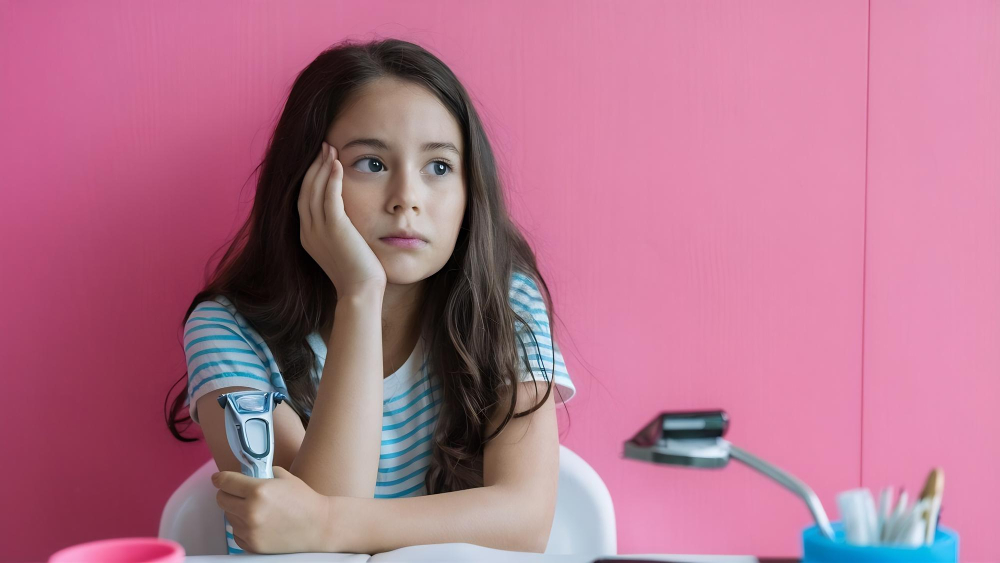
Many people think of ADHD as a condition that mostly affects boys. However, ADHD in girls is common but often goes unnoticed. Early signs of ADHD in girls can look different from those in boys. Because of this, girls may not get the help they need right away. In this blog, we will explain how ADHD presents in girls, what symptoms to watch for, and the best treatment for ADHD in girls.
What is ADHD in Girls?
ADHD stands for Attention-Deficit/Hyperactivity Disorder. It is a brain condition that affects focus, self-control, and activity levels. While both boys and girls can have ADHD, the signs in girls may be less obvious. For example, girls often show more daydreaming and less hyperactivity. As a result, teachers and parents may miss the signs of ADHD in girls.
Common Symptoms
ADHD symptoms can vary from person to person. Still, girls often show certain patterns. Below are some common signs of ADHD in girls:
Sometimes, girls with ADHD may also be more quiet or shy. Because of this, their struggles can be missed. However, these signs can affect school, friendships, and family life.
Causes and Risk Factors
Researchers do not know the exact cause of ADHD in girls. However, several factors may play a role. For instance, genetics can increase the risk. If a parent or sibling has ADHD, a girl is more likely to have it too. Other possible risk factors include:
Even though these factors can raise the risk, not all girls with them will develop ADHD. Still, knowing the risks can help with early detection.
Diagnosis Process
Diagnosing ADHD in girls can be tricky. Often, their symptoms are less disruptive, so teachers or parents may not notice them. However, early diagnosis is important. The process usually includes:
Doctors may use guidelines from the American Psychiatric Association or the CDC. Sometimes, a mental health specialist will do more tests to confirm the diagnosis.
Treatment Options
Treatment for ADHD in girls often includes a mix of approaches. For many, a combination of medicine and therapy works best. Here are some common options:
Not every girl will need medicine. However, therapy and support at home and school are always helpful. According to the CDC, treatment should be tailored to each child’s needs.
Lifestyle and Coping Strategies
Besides medical treatment, daily habits can make a big difference. For example, these strategies can help girls manage ADHD symptoms:
With support, girls with ADHD can build confidence and succeed in school and life.
Prevention and Early Intervention
There is no sure way to prevent ADHD in girls. However, early intervention can reduce problems later. For instance, parents and teachers should watch for early signs of ADHD in girls. If concerns arise, seeking help quickly can lead to better outcomes. Early support can improve learning, friendships, and self-esteem.
Conclusion
ADHD in girls is real and often overlooked. However, knowing the signs and getting the right help can make a big difference. If ADHD is a concern for your child, reach out to Dr. Sivabalan Elangovan for tailored mental health support and advice.